
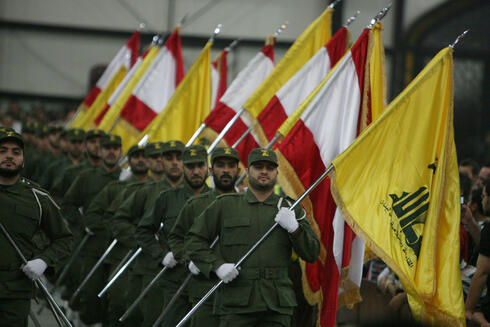

Hezbollah’s grip on Lebanon’s Shia population operates through a sophisticated system of threats and coercion rather than direct, constant force. The militant organization cultivates what analysts describe as an ‘economy of fear’—establishing a hierarchy of potential punishments whilst ensuring the population understands these consequences could be deployed at any moment. This approach extends beyond simply silencing existing dissent; its primary purpose is to prevent rival centres of political, religious and social authority from even beginning to form, thereby eliminating potential challengers to Hezbollah’s monopoly on representing Shia interests.
The strategy represents a form of pre-emptive control, where the threat of consequences is often more powerful than their actual implementation. By maintaining uncertainty about when and how punishment might be applied, Hezbollah discourages potential opponents from organizing or voicing alternative visions for the community’s future. This psychological dimension of control has proven particularly effective in maintaining the organization’s political and social dominance within Lebanon’s Shia-majority areas, particularly in the south and eastern Bekaa Valley.
The system functions as both a means of political control and a barrier to democratic expression within the community. Potential religious scholars, community leaders and political figures who might otherwise challenge Hezbollah’s interpretation of Shia interests remain constrained by the implicit understanding that dissent carries real risks. This prevents the natural emergence of competing leadership voices that might offer alternative approaches to governance, welfare provision or resistance politics.
Source: Ynet — Original article in Hebrew.


 © 2026 News In Israel - Israeli News In English. All Rights Reserved.