
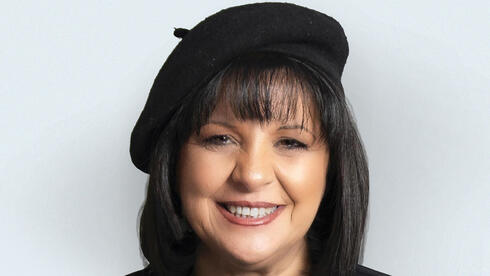

Israel’s new political parties and coalitions are proudly showcasing their female candidates, and rightly so. Yet there is a striking pattern that is difficult to ignore: the majority are relatively young, conventionally attractive, and many are presented with a label that has become fashionable in the Israeli electoral system – ‘social activist’.
This observation highlights a troubling disparity in how male and female politicians are evaluated in Israeli public life. While male candidates with grey or receding hair are rarely subjected to commentary about their appearance, female politicians face far greater scrutiny over how they look. A man’s physical appearance is typically seen as irrelevant to his political credentials, whereas a woman’s is frequently presented as part of her political brand.
The emphasis on youth and conventional attractiveness among female candidates raises questions about the barriers facing women in Israeli politics. Rather than being judged primarily on their experience, policy positions, or track records, women entering the political arena often find themselves assessed through an appearance-based lens that their male counterparts simply do not encounter.
The recurring description of female candidates as ‘social activists’ – while not inherently problematic – also suggests a narrowing of how women are positioned within Israeli political discourse. This framing can inadvertently limit perceptions of women’s political scope and expertise, whereas similar male candidates might be described using broader terminology reflecting their full range of political ambitions and capabilities.
These patterns reflect deeper questions about representation and equality in Israeli democracy, particularly regarding how women candidates are presented to voters and what criteria voters are encouraged to prioritise when evaluating their suitability for office.
Related: Israel's electoral rights concerns
Source: Ynet — Original article in Hebrew.

 © 2026 News In Israel - Israeli News In English. All Rights Reserved.