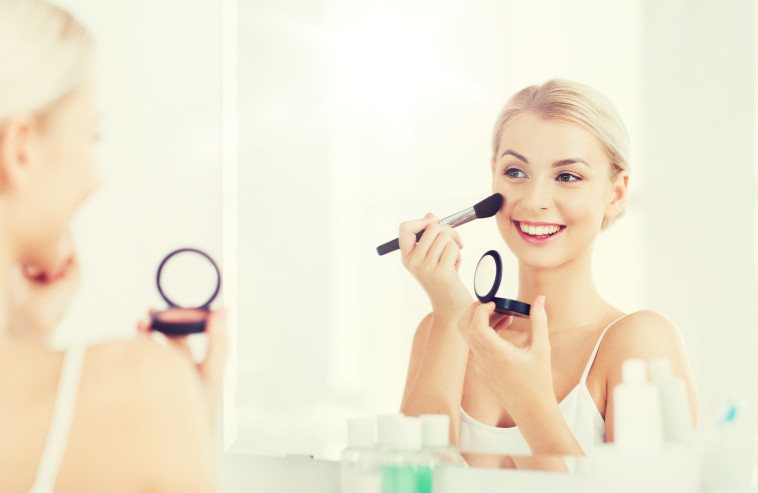

The beauty industry continues to expand as new treatments are constantly emerging and arriving in the field of cosmetics, facial treatments, hair styling, skin treatments and much more. Today there are a huge number of ways that can help you look and feel your best.
Many have adapted daily beauty habits that they stick to without even thinking, but did you know that the beauty regime could be dangerous and endanger your health?
make-up brushes
Cosmetic scientist Carly Musella, who works with Spectrum Collection, says that many of us use makeup brushes every day to apply a variety of products such as powder, makeup, bronzer, blush, eye shadow and more, but often leave them uncleaned for weeks or even months.
"Studies have shown that an average makeup brush can contain dead skin cells, oil and bacteria. In addition, the place and form of storage are also important in order not to add bacteria to the products.
Although not all bacteria are harmful, the human skin microbiome contains many different types of bacteria that can help maintain healthy skin and protect us from bacteria that can cause infections.
Musella says that using dirty brushes can therefore increase the risk of causing an imbalance in the "healthy bacterial community", which can lead to outbreaks or more serious problems such as impetigo (an extremely common and highly contagious bacterial skin infection) or staphylococcal infections.
She says: "Clean your makeup brushes regularly with a mild shampoo. Be sure to clean the center towards the base of the brush, as this is often missed and can be where bacteria accumulate."
"After cleaning, it is possible for them to dry on their sides or upside down and store them in closed containers to reduce the risk of contamination from other objects or airborne particles."
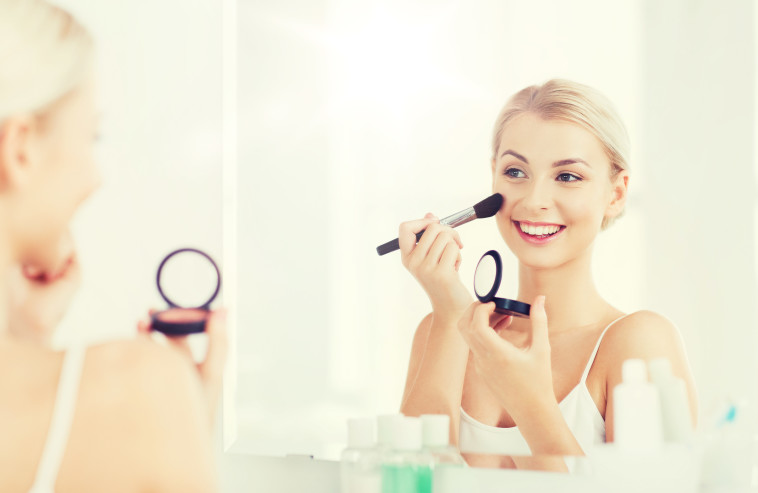 It is important to clean the makeup brushes (Photo: Inimage)
tanning beds
According to "Cancer Research UK", using tanning beds can increase the risk of melanoma skin cancer by 20%.
The UV radiation emitted from tanning beds can damage the DNA in our skin, and this can cause cancer.
Tanning beds emit high intensity UV and are a high risk.
gel nailpolish
The British Association of Dermatologists has warned that chemicals in black gel can cause allergies.
Additionally, a study published in "Nature Communications" found that the UV lamps used to ensure the gel stays in place can lead to cancer-causing mutations.
In addition to this, nail expert Lynn Mason adds, if the gel polish is not applied correctly, the nails may become weak and break.
According to her, "under certain circumstances the nails can even feel dry to the touch, especially if acetone or drying agents are used. However, this can be avoided if done properly."
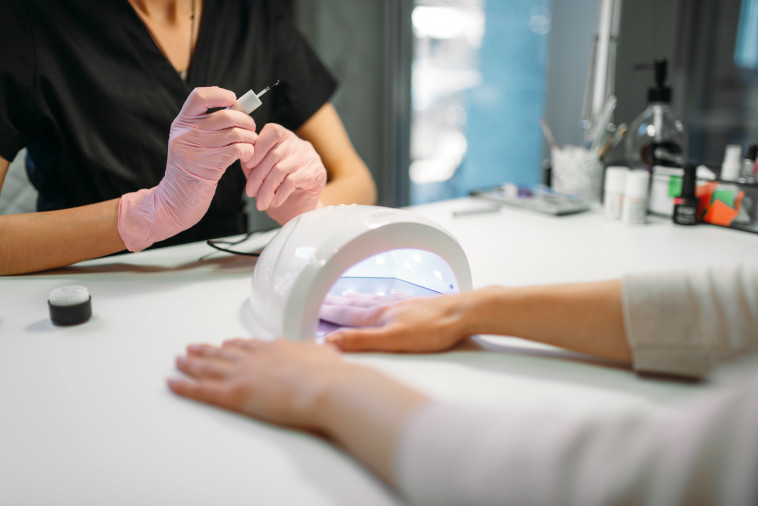 Gel nail polish treatment (Photo: Inimage)
False eyelashes
Although they don't tend to cause serious damage, Sujata Paul, optician and clinical director at Blanstor, says it's important to know that whenever false eyelashes are used there is a risk factor.
He noted that the most common problems caused by false eyelashes are eye infections, allergic reactions, eye injuries and damage to the natural eyelashes: "Infections can occur when bacteria collect under the eyelash glue and on the false eyelashes themselves. If you store and reuse your false eyelashes, or Drop your eyelashes on a surface before applying, there is a risk of bacteria and dirt harmful to the eye."
Paul also added that "Infections can also occur if you forgot to clean your eyelids after removing false eyelashes, or if you lent them to someone. The infection can lead to eye infections."
Some people may have an allergic reaction to the glue used to hold the eyelashes in place, as it often contains formaldehyde.
Sujata said that "allergic reactions to eyelashes can cause burning, swelling or a rash. Severe allergic reactions require a visit to the emergency room to prevent vision loss or further complications."
Wearing contact lenses? "False eyelashes are best avoided because the glue used to apply the eyelashes can irritate the eye if it comes in contact with the contact lenses," Sujata said.
"If you decide to use artificial eyelashes, make sure the glue is completely dry beforehand. "Apply carefully and it is desirable to check that the glue is formaldehyde-free and hypoallergenic for the eyes."
Sharing makeup products
Whether it's mascaras, brushes or lipsticks, makeup is something you should keep to yourself.
The founder of The Face Bible, Dr Raj Arora, said bacteria can live on your make-up and make-up tools and can therefore lead to skin and eye infections if shared.
"The eyes and lips are probably at the highest risk. Sharing mascara and eye makeup can lead to the transfer of bacteria, which are responsible for infections such as conjunctivitis. Sharing lipsticks, blushes, glosses and lip liners can lead to the transmission of the herpes virus.
And what about those who try makeup products in the store (testers)? Dr. Arora recommends careful disinfection. "Use sterilized and clean make-up tools. Certainly the product containers and pumps were cleaned after use to minimize the risk of spreading bacteria and viruses."
Leaving makeup on the skin overnight
"Not removing makeup at night can lead to clogged pores, acne and prevent skin renewal," said Dr. Arora.
"Leaving make-up on for long periods of time can increase the risk of sensitivity and 'irritated' skin. Leaving make-up on the eyes can cause bacteria to enter and impair vision. It is important to clean the skin adequately before going to bed using a special face soap, and then apply serum and face cream The eye make-up should be removed using a gentle eye make-up remover, in a gentle movement from top to bottom.