
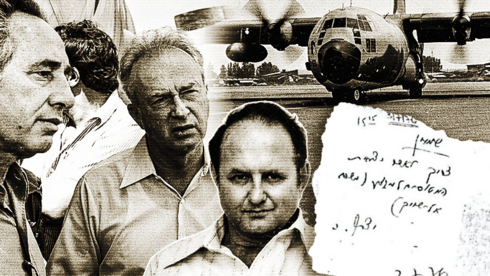

On the night of 4 July 1976, history was made. While the United States celebrated 200 years of independence, Israel pulled off an audacious military operation that would define a generation and cement its place in the annals of modern warfare. Operation Entebbe, the daring raid to rescue hostages held by hijackers at Uganda’s Entebbe Airport, remains one of the most celebrated and studied military missions ever undertaken.
The operation has become deeply embedded in Israel’s collective memory, representing not just a military victory but a defining moment of national pride and resilience. In a dramatic night-time assault, Israeli commandos flew thousands of kilometres to Uganda, stormed the terminal building, and rescued 103 hostages who had been held captive after their Air France plane was hijacked by pro-Palestinian and German terrorists. The mission’s success came at significant cost, with one hostage, Lieutenant Colonel Yonatan Netanyahu, killed during the operation.
Fifty years on, the raid continues to resonate far beyond Israel’s borders. It has been immortalised in films, books, and academic studies, celebrated as a masterclass in military planning and execution. For Israelis, it represents a moment when the nation demonstrated it would go to extraordinary lengths to protect its citizens, regardless of the obstacles or distances involved.
As Israel commemorates the golden jubilee of Operation Entebbe, the mission’s legacy endures as a symbol of determination, courage, and the lengths a nation will go to safeguard its people.
Source: Ynet — Original article in Hebrew.

 © 2026 News In Israel - Israeli News In English. All Rights Reserved.