
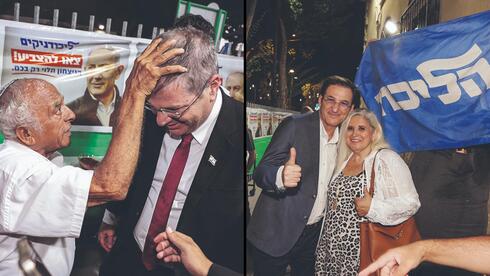

In the sweltering heat of August, Likud Party candidates are fighting for their political survival in a series of intimate campaign events held in synagogues and restaurants across Israel. Addressing crowds of sometimes just dozens of supporters, the primary contenders are deploying a strikingly similar playbook: attacking Israel’s judicial system, the media, and academia as part of their pitch to party members.
The candidates have settled on a consistent messaging strategy that emphasises their willingness to challenge Israel’s establishment institutions. Tali Gotlib has invoked the legacy of Zionist ideologue Vladimir Jabotinsky to frame her campaign, while Dudi Amsalem has focused on what he describes as widespread public apathy and disengagement. Miri Regev, meanwhile, has taken a more pointed approach, arguing that voters need to be reminded of concrete achievements, contrasting her record with rivals who she claims have relied more on rhetoric than action.
The primary race—which candidates themselves have described colourfully as a “bloodbath”—represents an increasingly bitter contest for position within Benjamin Netanyahu’s party. With summer providing an unusual backdrop for political campaigning, the candidates are making their case directly to party activists in relatively small, informal settings that emphasise personal connection over media spectacle.
With several Knesset members competing for a limited number of competitive positions on the party’s electoral list, observers are asking which candidates will emerge from what many see as an unusually contentious internal Likud battle. The outcome could significantly reshape the party’s composition and ideological direction.
Source: Ynet — Original article in Hebrew.


 © 2026 News In Israel - Israeli News In English. All Rights Reserved.