
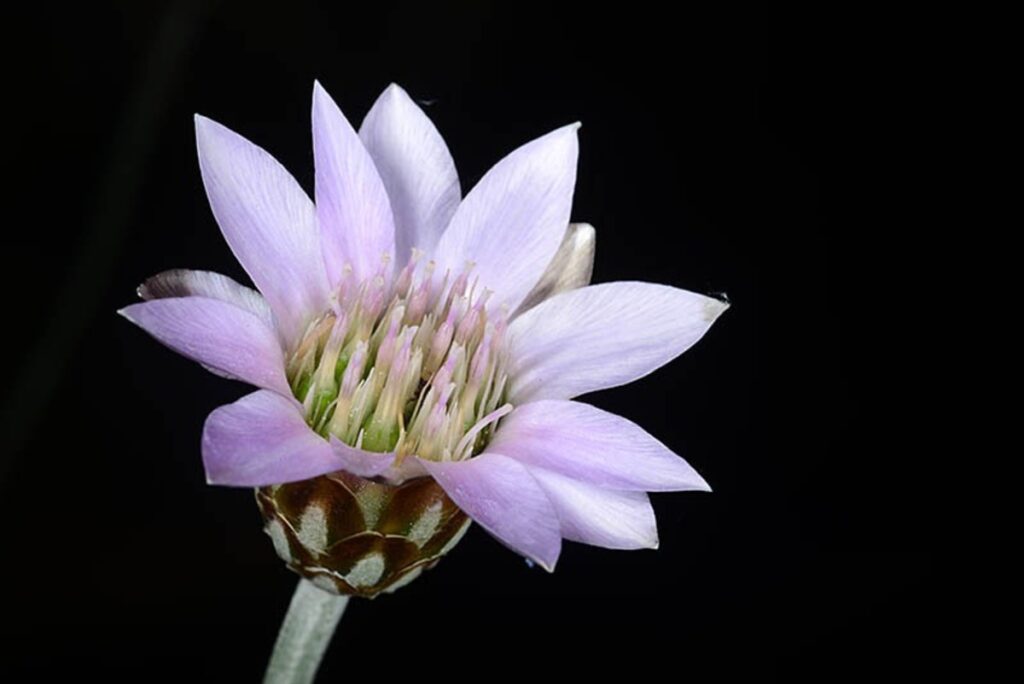

The Hebrew University’s botanical garden in Jerusalem has begun propagating seeds from five endangered native Israeli wildflower species in a bid to prevent their extinction. The initiative, part of an expanded programme called “Returning Nature to Gardens”, aims to encourage private gardeners to grow rare local plants and help restore biodiversity across the country.
The five species selected for cultivation include plants that are found nowhere else in the world and several that face imminent extinction in the wild. By growing these flowers in the controlled environment of the garden, researchers hope to create seed stocks that can eventually be distributed to the public and reintroduced into natural habitats.
The project reflects growing international recognition that botanical gardens have a crucial role to play in species conservation. Rather than relying solely on protecting endangered plants in their natural habitats—a strategy that has had limited success in Israel’s fragmented landscape—the garden is working to shift conservation into domestic gardens across the country.
Official notes that the programme encourages Israelis to participate directly in conservation efforts by growing native species rather than imported ornamental plants. This approach serves a dual purpose: it provides a backup population for critically endangered species whilst simultaneously promoting public engagement with Israel’s unique natural heritage. The garden plans to distribute seeds and seedlings to interested gardeners, turning private gardens into de facto nature reserves.
Source: Maariv — Original article in Hebrew.

